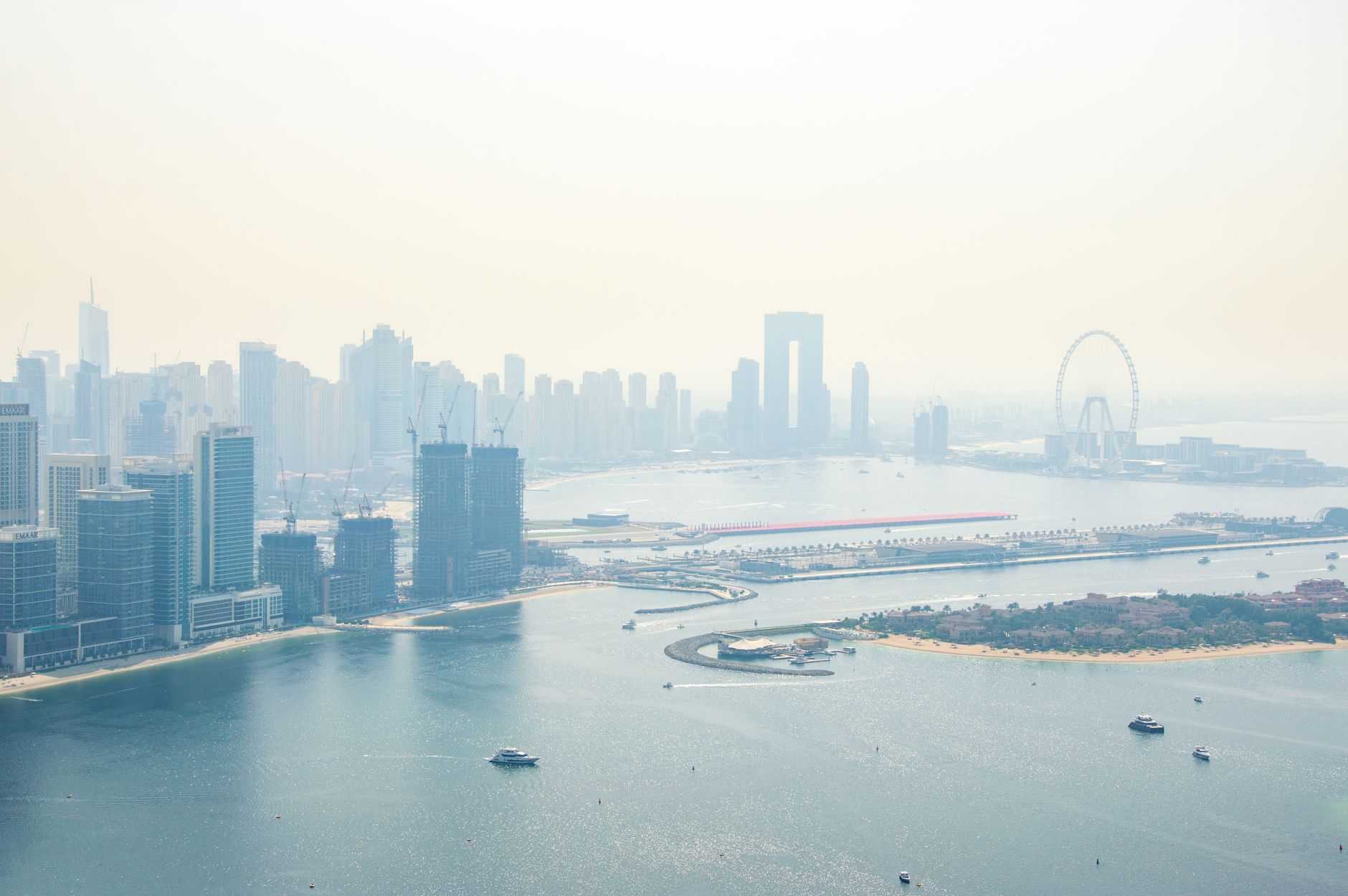
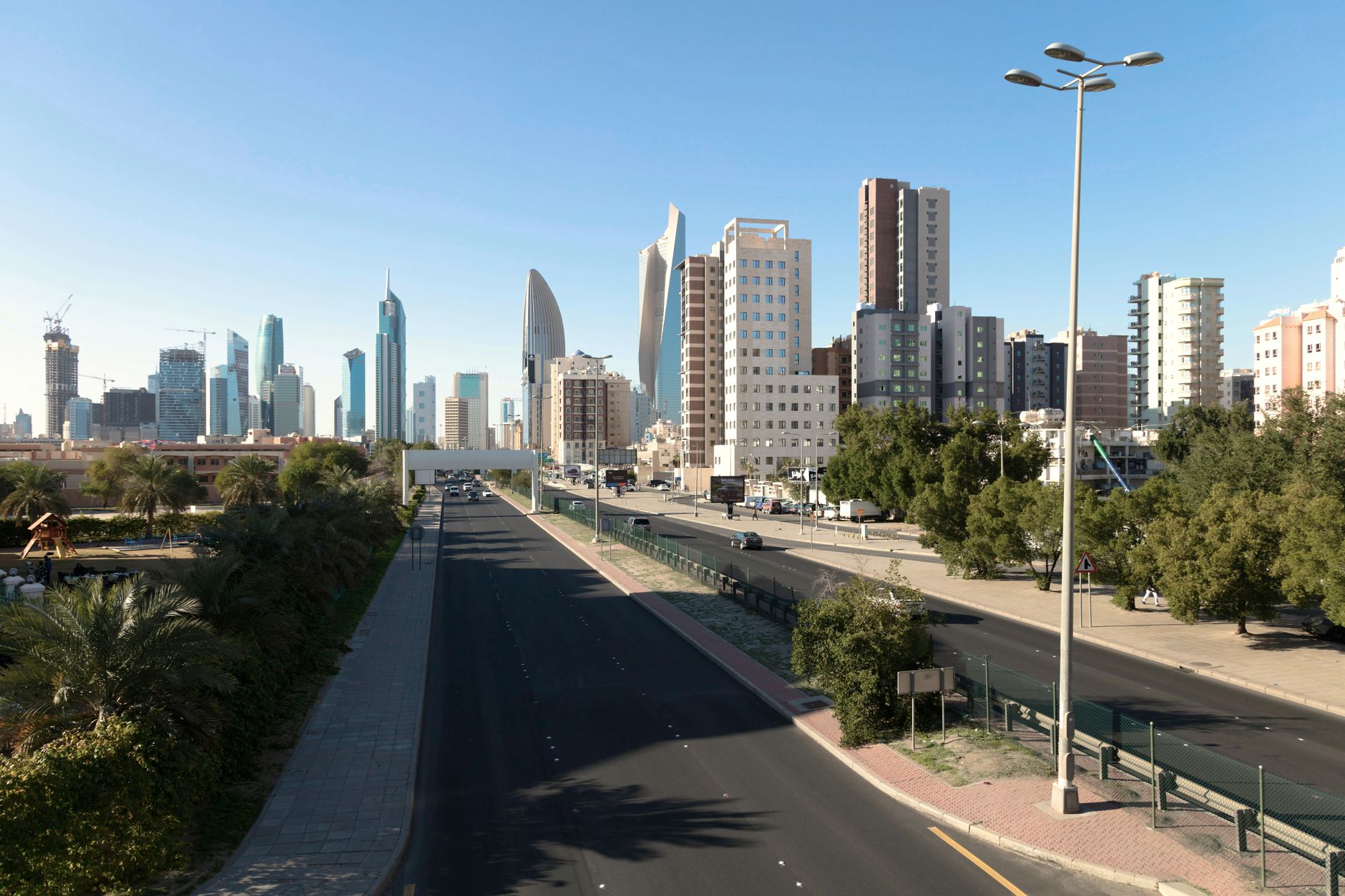
The UAE and other Gulf states saw inbound and outbound foreign direct investment grow in 2025 against a fragile and uneven global recovery, according to a new Unctad World Investment Report, though that data covers only the twelve months ending December 31 and does not account for shifts that may have occurred since the US-Israeli war with Iran broke out on February 28.
The report's forward guidance is pointed.
The Gulf "benefits from its role as a corridor between Asia, Europe and Africa," Unctad noted, but "rising geopolitical tensions are likely to affect the implementation of announced projects and increase downside risks for FDI, particularly in energy, transport and logistics."
Transport and logistics, it bears noting, is precisely the sector in which Gulftainer has just committed two billion dollars.
The mechanism through which conflict transmits into capital allocation is not simply investor sentiment, though that matters.
For GCC economies, geopolitical shocks are transmitted not only through oil prices, but also through trade routes, shipping costs, food and industrial input chains, and shifts in investor sentiment.
Strategic maritime corridors vital to the global economy, including the Strait of Hormuz through which around 25 percent of the world's seaborne oil trade passes, may serve as instruments of geopolitical leverage, and disruption of navigation through these passages has triggered an increase in shipping insurance premiums and a disruption of trade flows.
For a port operator whose entire strategic value proposition rests on the reliability of those corridors, this is not an abstract risk.
And yet the paradox holds. The very fragmentation of global supply chains that conflict accelerates is also the force driving demand for exactly what Gulftainer is building.
Supply chains are becoming increasingly regional, governments are investing in strategic economic partnerships, and customers are seeking resilient, end-to-end logistics solutions that combine physical infrastructure with digital intelligence.
Saudi Arabia's relative resilience in the current environment is instructive here. Its non-oil sector has continued to expand even as Gulf manufacturing PMI readings have softened, reflecting the structural depth of domestic demand that diversification programs have quietly built over the past decade. The kingdom's trajectory matters for Gulftainer directly, since the Al Dhaid development includes intermodal integration with the Etihad Rail network to enable high-capacity bulk freight transit into Saudi Arabia and Oman.
What makes the Gulftainer story analytically interesting is that it represents a private sector actor making a long-duration infrastructure bet on the same structural thesis that GCC governments have been articulating through their national economic visions.
The director of ports and border points affairs at the Sharjah Ports, Customs and Free Zones Authority observed that success for a port is no longer determined by berth capacity or the number of vessels handled, but by a port's ability to operate as an integrated ecosystem combining advanced infrastructure, intelligent logistics solutions and effective strategic partnerships.
That framing, which sounds like corporate communications, is actually a precise description of where competitive moats in infrastructure are being built in the current era.
The risk, of course, is that a two-billion-dollar commitment made against a backdrop of recovering FDI flows and improving PMI data looks rather different if the geopolitical environment deteriorates further.
A prolonged conflict could redirect capital toward domestic priorities, reconstruction needs and strategic infrastructure within the Gulf, reducing the availability of outward investment for developing economies in Asia and Africa that increasingly rely on GCC financing, according to the Unctad report. Capital that flows inward for reconstruction is capital that does not flow toward the trade corridors that Gulftainer's entire model depends upon activating.
The corridor paradox, then, is this: the disruption of regional trade routes is simultaneously the greatest threat to Gulftainer's investment thesis and its most powerful long-term justification. Infrastructure that makes supply chains more resilient commands a premium precisely when supply chains are being disrupted. The question is whether the window between commitment and completion remains stable enough to allow the thesis to mature. In infrastructure, timing is not everything. But it is never nothing.
For informational and research purposes only. Not a solicitation. For questions regarding investment decisions, consult a licensed financial professional.